 |
 |

|
|---|
 |
WebSite
Links:
|
|
 |

|
|
|
|
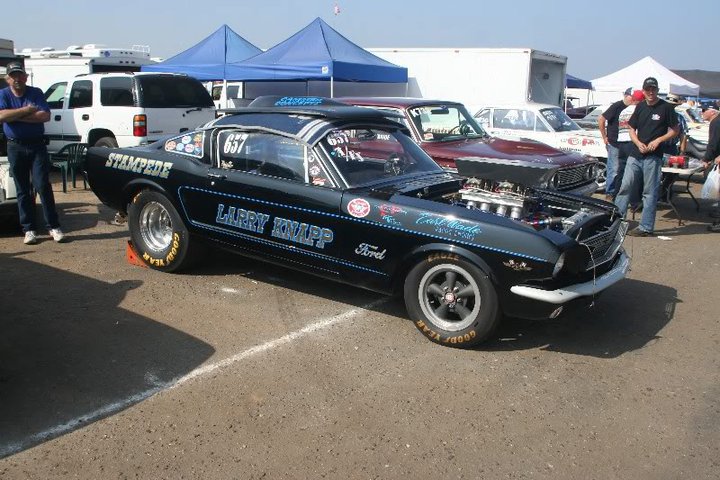
DragStalgia Eliminator Factory Experimental (FX)
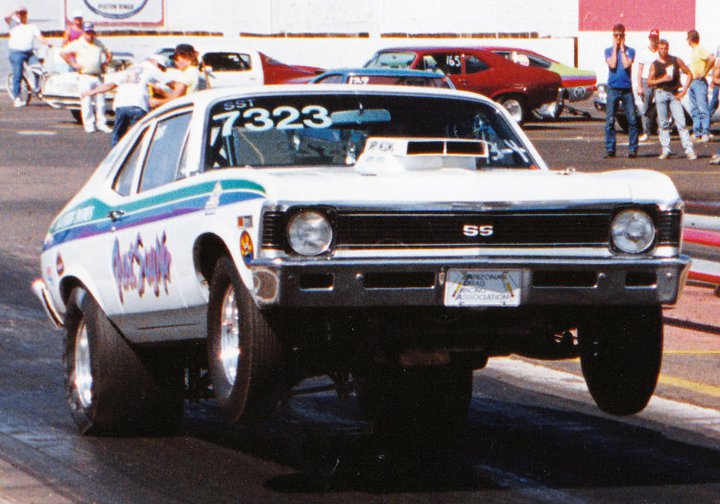
Factory Experimental is reserved for naturally aspirated factory production body stylesoriginally produced from 1960 through 1969. Nitrous oxide, superchargers, and/or turbochargers are prohibited in FX. Class Designations and Indexes
Body: : :Factory Experimental vehicles must retain full body exterior appearance. Extreme modifications which may drastically alter the appearance such as chopping, drooping, rescaling, etc. are not permissible. All body components such as roof, hood, doors, fenders, bumpers, etc. must remain in place. Hood scoops must be period correct. (Aero style scoops not permitted.) Stock appearing fiberglass and/or aluminum body components permitted. Doors must remain functional. Chassis: Chassis must remain relatively stock for the body being used. Narrowed sub-frames or frame portions and sub-frame connecting permitted. Suspension: Non-driving axle suspension systems must remain stock for the body being used.
Air bags may not be used to replace coil springs, leaf springs, or torsion bars. Engine: Engine must be of the same corporate manufacturer as that of the vehicle.
Minimum gross intake valve lift must be equal to no less than 31 percent of the intake valve diameter.
Engines having valve/lift combinations where the gross intake lift does not meet the minimum specification will not be disallowed from competition. In these instances vehicles will be factored using the minimum valve lift specification for the intake valve diameter being utilized.
Fuel: Gasoline Interior: Must currently meet hosting facility's safety guidelines. Tires: Maximum measured tread width permitted is 14.5 inches. Tire tread is not allowed to protrude outward past the outermost portion of the wheel-well opening Electronics: Delay boxes are prohibited. Nostalgia Pro Stock (PRO-1)
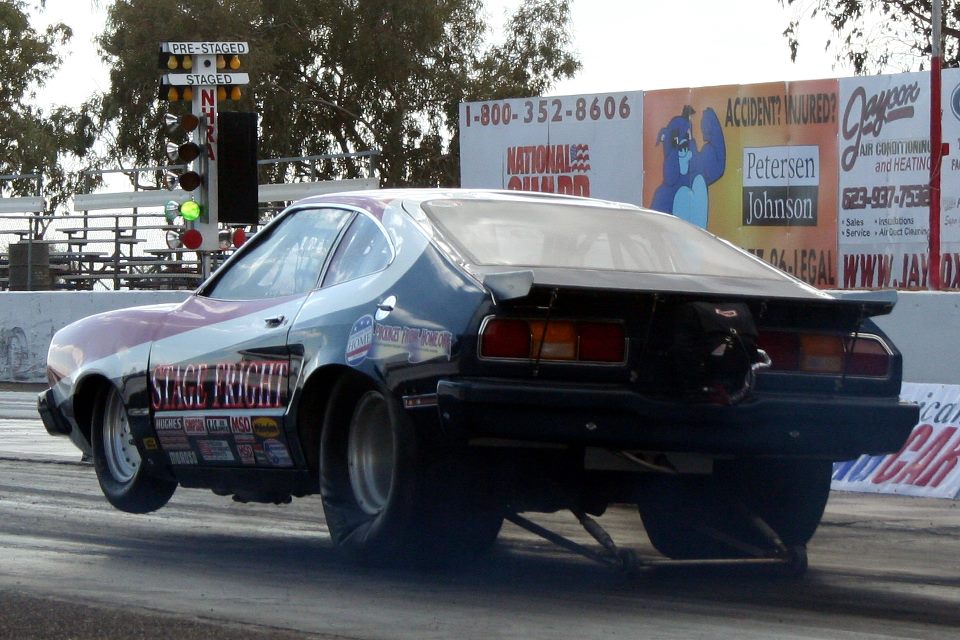
Nostalgia Pro
Stock is
reserved for naturally aspirated factory production American body styles Pro-1 uses the 10.20 Index Weights and Factors Chart Body: Classic Pro Stock vehicles must retain stock full body exterior appearance. Extreme modifications which may drastically alter the appearance such as altered wheelbase, chopping, drooping, rescaling, etc. are not permitted. All body components such as roof, hood, doors, fenders, bumpers, etc. must remain in place. Door handles, head lights, grille, etc. must remain as stock. Shaved door handles, simulated paint or decal headlights and or grille components are not permitted. Hood scoops permitted. Stock appearing fiberglass and/or aluminum body components permitted. Doors must remain functional. Chassis: Full tube chassis permitted. Suspension: Air bags may not be used to replace coil springs, leaf springs, or torsion bars. Engine: Engine must be of the same corporate manufacturer as that of the vehicle. bodied vehicles are permitted to interchange engines within those same listed manufacturers. Minimum gross intake valve lift must be equal to no less than 31 percent of the intake valve diameter.
Engines having valve/lift combinations where the gross intake lift does not meet the minimum specification will not be disallowed from competition. In these instances vehicles will be factored using the minimum valve lift specification for the intake valve diameter being utilized.
Transmission: Initiating motion must be clutch operated but may be clutch-less shifted. Fuel: Gasoline Interior: Must have a minimum of one bench seat or two front bucket seats. Full dash complete and intact. (Molded replicas in fiberglass or plastic for example are allowed.) Tires: Maximum measured tread width permitted is 14.5 inches. Tire tread is not allowed to protrude outward past the outermost portion of the wheel-well opening Electronics: Delay boxes are prohibited. Classic Pro Stock (PRO-2)
Classic Pro
Stock is
reserved for naturally aspirated factory production American body styles Pro-2 uses the 9.00 Index Weights and Factors Chart Body:Classic Pro Stock vehicles must retain stock full body exterior appearance. Extreme modifications which may drastically alter the appearance such as altered wheelbase, chopping, drooping, rescaling, etc. are not permitted. All body components such as roof, hood, doors, fenders, bumpers, etc. must remain in place. Door handles, head lights, grille, etc. must remain as stock. Shaved door handles, simulated paint or decal headlights and or grille components are not permitted. Hood scoops permitted. Stock appearing fiberglass and/or aluminum body components permitted. Doors must remain functional. Chassis: Full tube chassis permitted. Suspension: Air bags may not be used to replace coil springs, leaf springs, or torsion bars. Engine: Engine must be of the same corporate manufacturer as that of the vehicle. bodied vehicles are permitted to interchange engines within those same listed manufacturers. Minimum gross intake valve lift must be equal to no less than 31 percent of the intake valve diameter.
Engines having valve/lift combinations where the gross intake lift does not meet the minimum specification will not be disallowed from competition. In these instances vehicles will be factored using the minimum valve lift specification for the intake valve diameter being utilized.
Transmission: Initiating motion must be clutch operated but may be clutch-less shifted. Fuel: Gasoline Interior: Must have a minimum of one bench seat or two front bucket seats. Full dash complete and intact. (Molded replicas in fiberglass or plastic for example are allowed.) Tires: Maximum measured tread width permitted is 14.5 inches. Tire tread is not allowed to protrude outward past the outermost portion of the wheel-well opening Electronics: Delay boxes are prohibited. |
|
|
DRAGCAR
|